
CGM vs. Fingerstick Blood Sugar Checks: What Is the Difference?
Learn what each method measures, why readings can differ, and when a standard meter remains useful.
September 14, 20262 min readBy Medville Diabetes

A blood glucose meter and a continuous glucose monitor answer related but different questions. A finger-stick test measures glucose in a small drop of blood at that moment. A CGM estimates glucose in fluid just below the skin and shows readings over time. Many people use both as part of a care plan.
A Meter Gives You a Result at One Moment
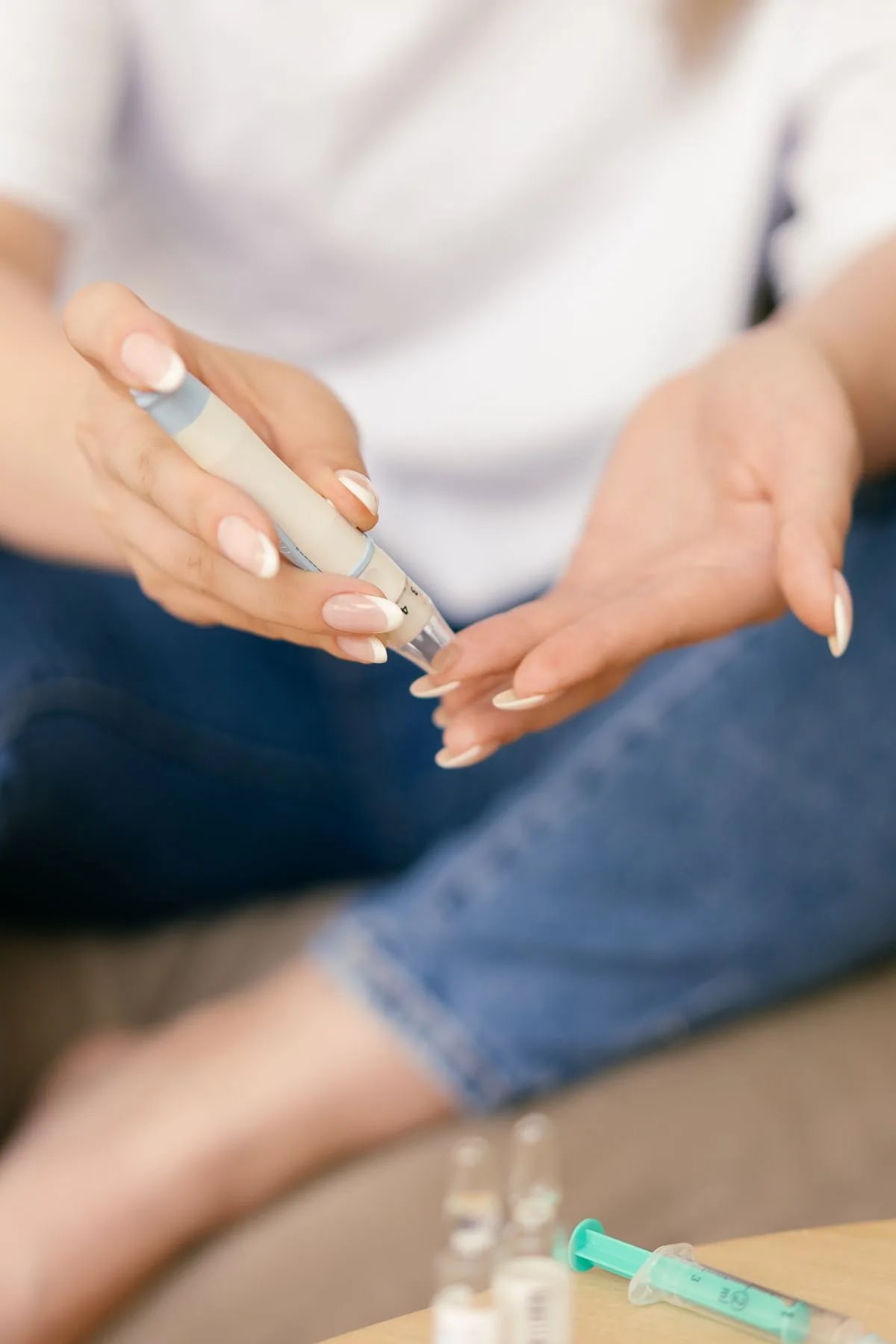
With a standard meter, you use a test strip and a small drop of blood. The result helps you check glucose at a specific time, such as before a meal, after activity, or when you feel unwell. Your care team will tell you when to check and what targets apply to you. A meter does not show what happened between tests.

A CGM Shows Direction and Patterns
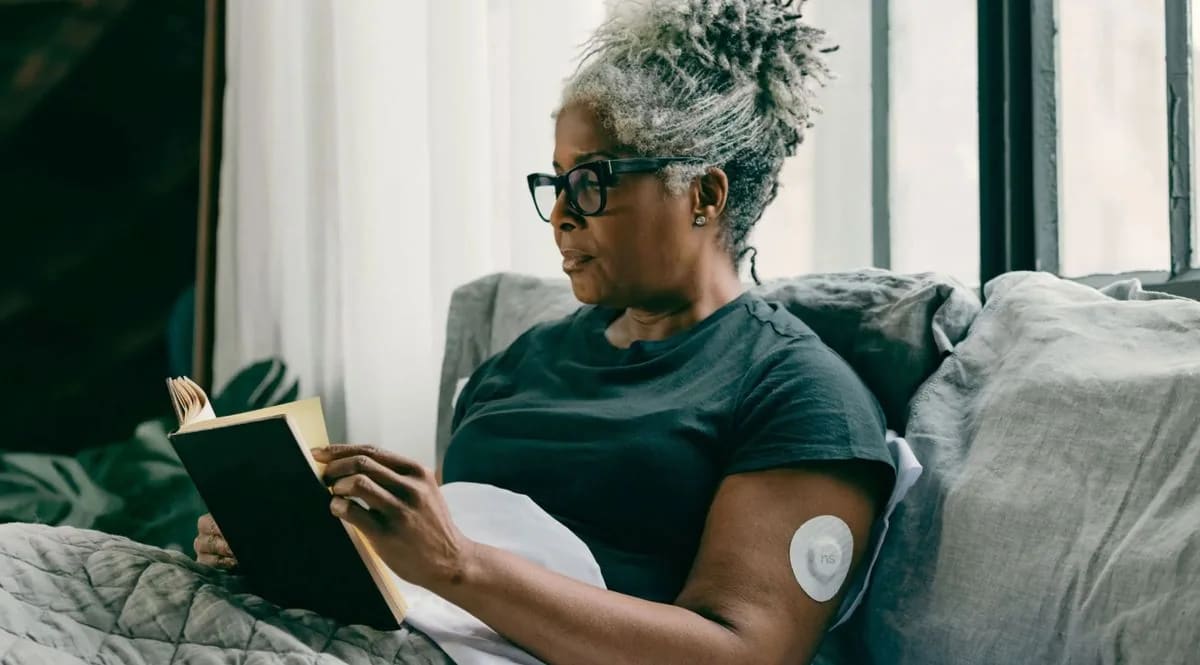
A CGM sensor estimates glucose every few minutes. It can show whether your readings are rising, falling, or staying fairly steady. Its graph can help you and your care team discuss patterns across meals, activity, medicine, sleep, and other parts of your day. Read how a CGM works for a device overview.
Why Might the Two Numbers Be Different?
A meter measures blood. A CGM measures fluid between cells, where changes may appear a little later. Differences may be more noticeable when glucose changes quickly, such as after a meal or exercise. Sensor issues and device-specific factors can also affect a reading. One difference does not necessarily mean either device is broken.
When Should You Use a Fingerstick Check?
Follow your device instructions and your care team's plan. NIDDK notes that you may need a meter to check a CGM result if it does not match your symptoms or if you doubt the reading. Some devices require meter checks for calibration or certain treatment decisions. Do not ignore symptoms because a display looks normal.
Choosing the Right Monitoring Routine
Your treatment, risk of low glucose, comfort with devices, and coverage can all affect the choice. Ask which readings to record, when to confirm a CGM result, and how to share useful trends at visits. For a practical next step, see how to understand CGM trends and browse our CGM options.
Sources and Further Reading
- Continuous glucose monitoring — NIDDK
- Monitoring your blood sugar — CDC
Have questions about CGMs or diabetes supplies?
Contact our team to discuss your options and potential eligibility. The conversation is free and carries no obligation.
Contact Our TeamMore to read
What Is a Continuous Glucose Monitor and How Does It Work?
A clear introduction to CGM sensors, glucose trends, alerts, and the questions to ask before choosing a device.

How to Understand CGM Glucose Trends in Daily Life
Use the graph, trend arrows, and time in range to prepare better questions for your healthcare team.

What to Ask About CGM Coverage and Diabetes Supplies
A practical checklist for discussing a CGM prescription, insurance benefits, supplier status, and out-of-pocket costs.