
Can I Drink Alcohol If I Have Diabetes?
Alcohol can raise or lower blood glucose. Learn why medication, food, and monitoring matter, and what to discuss with your diabetes care team.
September 14, 20265 min readBy Medville Diabetes

A diabetes diagnosis can change how you think about food, drinks, and social situations. You may wonder whether having a beer with friends or a glass of wine with dinner is now completely off-limits.
So, can you still drink alcohol if you have diabetes?
Diabetes does not automatically mean you can never drink alcohol. Some people with diabetes may be able to drink in moderation, but whether it is safe for you depends on your medications, glucose patterns, other health conditions, and how much you drink.
Alcohol can make glucose harder to predict. Depending on the drink and the situation, it may contribute to either high or low blood glucose. This is why it is worth discussing with your healthcare team before deciding what is appropriate for you.
How Alcohol Affects Blood Glucose
Your liver helps keep blood glucose, also called blood sugar, steady by storing glucose and releasing it when your body needs it. When you drink alcohol, your liver prioritizes processing the alcohol. While it is doing that, it may release less glucose into your bloodstream.

This can cause blood glucose to drop, especially if you drink without eating, have been physically active, or take medication that already lowers glucose.
At the same time, some alcoholic drinks contain carbohydrates. Beer, sweet wine, liqueurs, and cocktails made with juice, regular soda, syrups, or other sweetened mixers may initially raise glucose.
The result is not always straightforward. A drink may raise glucose at first because of its carbohydrates and still contribute to a low later because of alcohol’s effect on the liver.
Why Low Blood Glucose Is a Concern
The risk of hypoglycemia, or low blood glucose, is especially important for people who use insulin or medications that cause the pancreas to release more insulin, such as sulfonylureas or meglitinides.
Alcohol-related lows do not always happen immediately. The risk can continue for hours after the last drink, including while you are asleep.
There is another complication: low glucose can look like intoxication. Slurred speech, confusion, drowsiness, dizziness, and difficulty walking may be blamed on alcohol when the person actually needs treatment for hypoglycemia. Drinking can also make it harder to notice the early signs that glucose is falling.
Severely low glucose can cause a seizure, loss of consciousness, coma, or death and requires immediate treatment. If someone is unconscious, having a seizure, or unable to treat themselves, call 911.
When Alcohol May Be Unsafe
Yes. Even if another person with diabetes can drink, alcohol may not be safe for you.
Your healthcare professional may advise you not to drink because of:
- A medication that interacts with alcohol or raises the risk of hypoglycemia
- Frequent low glucose or difficulty recognizing when glucose is low
- Liver, kidney, nerve, eye, or pancreatic problems
- Pregnancy or plans to become pregnant
- Difficulty limiting how much you drink or a history of alcohol-related problems
- Other medical conditions that alcohol could worsen
Do not stop or change a prescribed medication so that you can drink. Ask your healthcare professional or pharmacist how alcohol may interact with your specific medications.
What Counts as a Standard Drink?
The Centers for Disease Control and Prevention defines moderate drinking, for adults who choose to drink, as one drink or less in a day for women and two drinks or less in a day for men. These general limits do not mean alcohol is safe for everyone with diabetes.

One standard drink is approximately:
- 12 ounces of regular beer
- 5 ounces of wine
- 1.5 ounces of 80-proof distilled spirits
These are limits, not targets or a promise that drinking will be safe. A large glass, strong beer, or mixed drink may contain more than one standard drink. Drinking less carries less health risk than drinking more, and people who do not currently drink should not start for a supposed health benefit.
Your healthcare professional may recommend a lower limit or no alcohol based on your individual health.
Steps to Discuss Before Drinking
If your healthcare professional says alcohol can fit into your care plan, a few precautions may lower the risk:
- Do not drink on an empty stomach or use alcohol in place of a meal
- Ask when to check your glucose before, during, and after drinking
- Remember that the risk of low glucose may continue for hours
- Carry fast-acting carbohydrates for treating a low, according to your care plan
- Wear medical identification stating that you have diabetes
- Avoid drinking alone, and tell someone with you how to recognize and respond to hypoglycemia
- Know what is in the drink, including its alcohol, carbohydrate, and added-sugar content
Do not guess about medication adjustments or skip insulin because you plan to drink. Those decisions should be made with your healthcare team.

Using Glucose Trends With Care
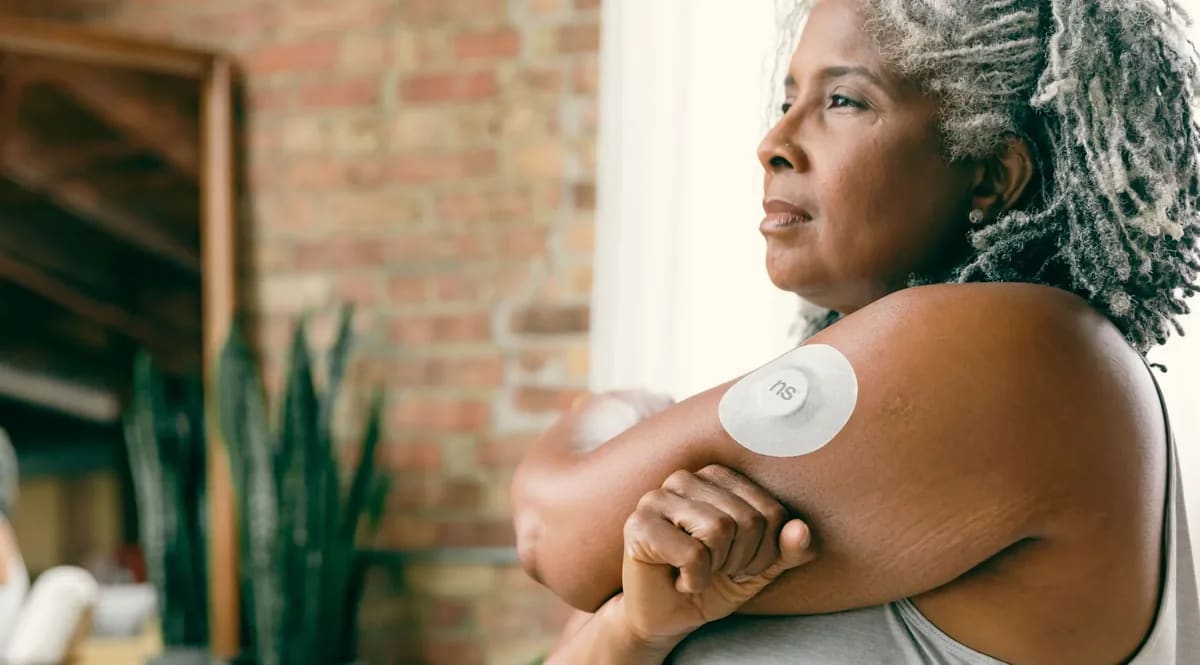
A single glucose reading gives you information about one moment. A continuous glucose monitor, or CGM, automatically estimates glucose throughout the day and night and can show whether it is rising, falling, or staying steady.
For eligible users, these trends may provide more context about what happens during and after drinking. Many CGMs can also alert users when glucose crosses a high or low setting.
However, a CGM does not make drinking risk-free. Alcohol can make it harder to notice symptoms or respond to an alarm. Some situations also require confirmation with a standard blood glucose meter. Follow your treatment plan and your device instructions rather than relying on the CGM alone.
If you are wondering whether you may qualify for a CGM, contact Medville Diabetes to discuss potential eligibility at no cost. There is no pressure and no obligation to move forward.
Discuss Your Individual Risk
Diabetes does not create one alcohol rule for everyone. Your medication, risk of low glucose, health history, and usual glucose patterns all affect whether drinking may be safe for you.
Before you drink, ask your healthcare professional how alcohol may affect your specific treatment. If alcohol is appropriate for you, understanding the risks and monitoring your glucose can help you make a more informed decision.
This article is for educational purposes only and is not a substitute for medical advice, diagnosis, or treatment. Speak with your healthcare professional about whether alcohol is safe with your medications and health conditions.
Learn more about CGM and finger-stick checks, including when a meter may still be needed.
Sources and Further Reading
Have questions about CGMs or diabetes supplies?
Contact our team to discuss your options and potential eligibility. The conversation is free and carries no obligation.
Contact Our TeamMore to read
What Is a Continuous Glucose Monitor and How Does It Work?
A clear introduction to CGM sensors, glucose trends, alerts, and the questions to ask before choosing a device.

CGM vs. Fingerstick Blood Sugar Checks: What Is the Difference?
Learn what each method measures, why readings can differ, and when a standard meter remains useful.

How to Understand CGM Glucose Trends in Daily Life
Use the graph, trend arrows, and time in range to prepare better questions for your healthcare team.