
Do I Have to Give Up Carbs With Diabetes?
Diabetes does not mean giving up carbohydrates. Learn how portions, fiber, balanced meals, and your glucose response can guide everyday choices.
September 14, 20265 min readBy Medville Diabetes

Bread. Rice. Pasta. Potatoes. Fruit. After a diabetes diagnosis, it can feel as though every familiar food suddenly comes with a warning label.
So, do you have to give up carbohydrates now?
For most people with diabetes, the answer is no. Carbohydrates raise blood glucose, also called blood sugar, but that does not mean they have to disappear from your plate. The amount, type, and timing of the carbs you eat can matter, as can what you eat with them.
The goal is not to fear an entire food group. It is to find an approach that supports your glucose goals and still works in your real life.
How Carbohydrates Affect Blood Glucose
Your body breaks down sugars and starches from food into glucose. That glucose enters your bloodstream and can be used by your cells for energy with the help of insulin.
Because of this process, carbohydrates usually have a greater and more direct effect on blood glucose than protein or fat. This is why carb portions often receive so much attention in diabetes meal planning.
But “carbohydrate” does not describe only soda, candy, or desserts. Carbs are also found in:
- Fruit
- Beans, peas, and lentils
- Milk and yogurt
- Rice, bread, pasta, oats, and other grains
- Potatoes, corn, and other starchy vegetables
Many of these foods provide fiber, vitamins, minerals, or other nutrients. Eliminating every carbohydrate would remove much more than sweets from your diet.
Choosing Carbohydrates With More Fiber
Carbohydrate foods do not all affect the body in exactly the same way.
Refined grains and foods high in added sugar often contain less fiber and may be digested more quickly. Examples include sugary drinks, many sweets, white bread, and some highly processed snack foods.
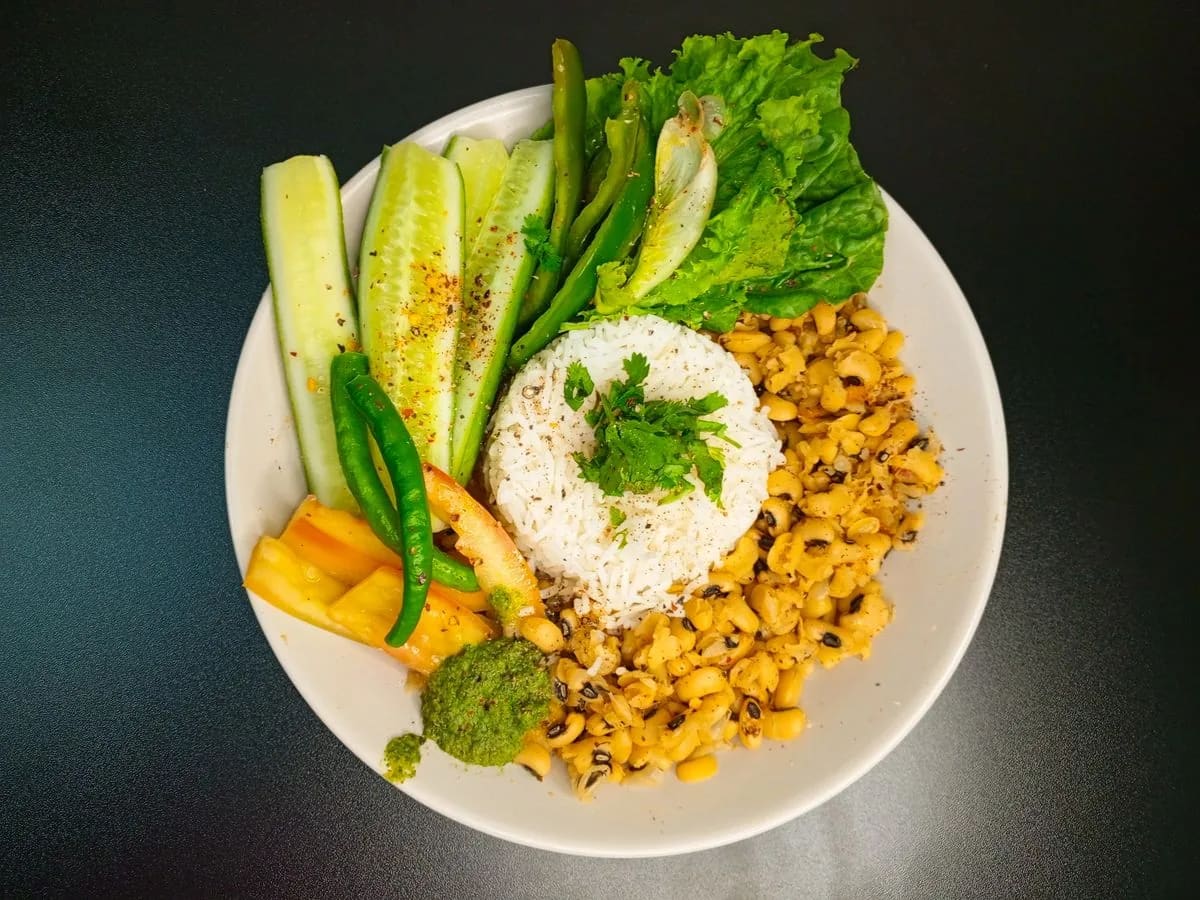
Higher-fiber carbohydrate foods generally take longer to digest. These may include beans, lentils, whole grains, fruits, and starchy vegetables. Fiber itself is not broken down and absorbed like sugars and starches, and it can help support blood glucose management and fullness.
This does not mean every meal must be perfect or that certain carbs are permanently forbidden. It means choosing fiber-rich, less processed options more often may give you more nutrition and may make glucose easier to manage.
Finding the Right Carbohydrate Amount
There is no single carb limit that is right for everyone with diabetes.
The amount that works for you can depend on your age, activity, glucose targets, medications, health conditions, appetite, and usual eating pattern. Someone who takes mealtime insulin may also need to match their insulin dose to the carbohydrates in a meal.
Portion size matters because a larger portion usually contains more total carbohydrate. You may not need to remove bread, rice, pasta, or fruit completely, but the portion may need to fit the rest of your meal and your individual care plan.
Some people use carbohydrate counting to track the grams of carbs in meals and snacks. Others use the plate method, which generally places non-starchy vegetables on half the plate, protein on one-quarter, and carbohydrate foods on the remaining quarter.
Not everyone needs to count every gram. A healthcare professional, registered dietitian, or diabetes care and education specialist can help you determine an approach that fits your treatment and daily routine.
Building a Balanced Meal With Carbs
What you eat with a carbohydrate can change how quickly the meal is digested.
The Centers for Disease Control and Prevention notes that eating carbs with foods containing protein, fat, or fiber can slow how quickly blood glucose rises. Pairing foods can also make a meal more filling.

For example, instead of eating a carbohydrate by itself, you might have:
- Toast with eggs or nut butter
- Fruit with plain yogurt or a small handful of nuts
- Rice with vegetables and chicken, fish, tofu, or beans
- Pasta with vegetables and a protein source
Pairing does not cancel the carbohydrates or guarantee that your glucose will stay within range. It simply means the whole meal matters, not just one item on the plate.
Is a Low-Carb Diet Necessary?
Some people find that eating fewer carbohydrates helps them manage their glucose. Others do well with a different balance. A plan that is so restrictive that you cannot maintain it, afford it, or enjoy it may not be the most useful long-term plan for you.
What matters is whether the approach supports your health, gives you adequate nutrition, and can be followed safely alongside your medication plan.
Do not make a major change to your carbohydrate intake without speaking with your healthcare professional, especially if you use insulin or another medication that can cause low blood glucose. Your medication or meal plan may need to be adjusted to help keep you safe.
Learning From Your Glucose Patterns
General nutrition guidance is helpful, but your glucose response is personal. The same food may affect two people differently, and your own response can change with the portion, meal combination, medication, activity, stress, illness, or time of day.

A single glucose check gives you one reading. Seeing readings over time may provide more context about what happens before and after meals.
A continuous glucose monitor, or CGM, automatically estimates glucose throughout the day and night. For eligible users, it can show trends that may help them have more informed conversations with their healthcare team about food and diabetes care.
A CGM is not right for everyone, and eligibility or insurance coverage may depend on clinical requirements. Some devices may also require occasional finger-stick checks.
If you are wondering whether you may qualify for a CGM, contact Medville Diabetes to discuss potential eligibility at no cost. There is no pressure and no obligation to move forward.
Carbs Can Stay in Your Eating Plan
Having diabetes does not automatically mean removing every carbohydrate from your meals. It means learning which foods, portions, and combinations fit your needs and glucose goals.
Carbs do not have to be feared. With an individualized plan and better information about your glucose patterns, they can remain part of an eating routine you can actually live with.
This article is for educational purposes only and is not a substitute for medical advice, diagnosis, or treatment. Talk with your healthcare professional before making major changes to your diet, medication, or diabetes treatment plan.
You can also read about glucose trends in daily life and whether eating sugar causes diabetes.
Sources and Further Reading
Have questions about CGMs or diabetes supplies?
Contact our team to discuss your options and potential eligibility. The conversation is free and carries no obligation.
Contact Our TeamMore to read

What Is a Continuous Glucose Monitor and How Does It Work?
A clear introduction to CGM sensors, glucose trends, alerts, and the questions to ask before choosing a device.

CGM vs. Fingerstick Blood Sugar Checks: What Is the Difference?
Learn what each method measures, why readings can differ, and when a standard meter remains useful.
How to Understand CGM Glucose Trends in Daily Life
Use the graph, trend arrows, and time in range to prepare better questions for your healthcare team.